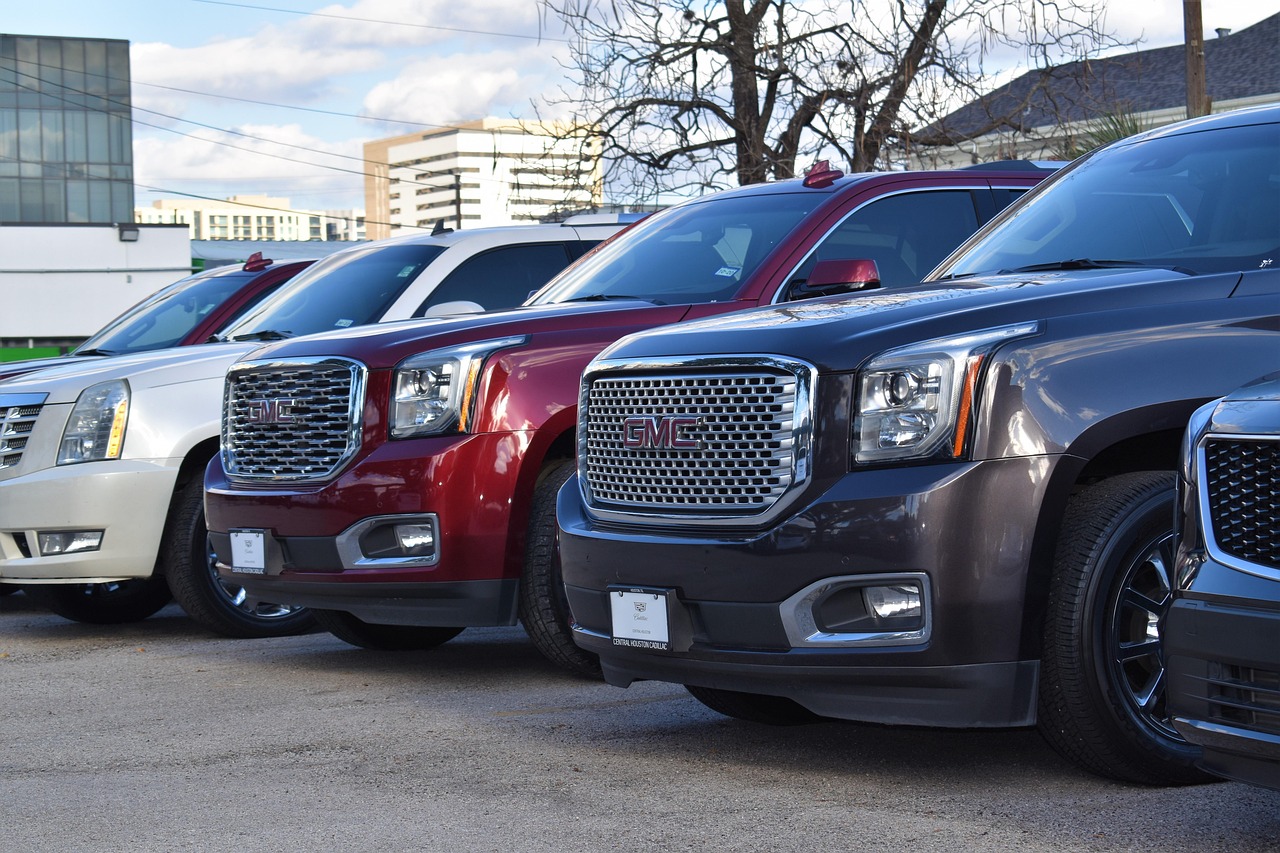
Used SUV depreciation is the largest cost most owners never see on a bill. Fuel gets tracked, insurance gets shopped, repairs sting because they arrive as invoices. Meanwhile the vehicle quietly sheds thousands of dollars a year, and the loss only becomes visible at trade-in.
That invisible cost is also an opportunity. Someone else absorbs the steepest part of the curve, and a buyer who steps in afterwards gets a nearly identical vehicle for substantially less. Understanding where that curve bends is the difference between a good used SUV purchase and an expensive one.
How fast used SUV depreciation moves
Used SUV depreciation is not linear. A new vehicle loses a meaningful slice of its value the moment it is titled, then drops sharply through the first two to three years before the curve flattens.
Recent data puts numbers on it. iSeeCars analysed more than 950,000 five-year-old vehicles sold between March 2025 and February 2026, and its study of value retention found average five-year depreciation across the industry at 41.8 percent, an improvement of 3.8 points on the previous year. SUVs as a segment fared slightly worse than the market at 44.9 percent.
The segment averages hide enormous spread, which is the part that matters when shopping. Trucks held value best at 34.2 percent over five years and hybrids at 35.4 percent, while fully electric models gave up 57.2 percent. On two vehicles that cost the same when new, that gap is worth tens of thousands of dollars.
Where used SUV depreciation hits hardest
The pattern in used SUV depreciation is consistent enough to shop by. Luxury and electric SUVs fall fastest. Mainstream models from brands with strong reliability reputations fall slowest.
At the punishing end, the Infiniti QX80 lost 62.8 percent of its value over five years in that analysis, an average of 52,631 dollars per vehicle. Range Rover sat close behind at 61.7 percent, and the Tesla Model X at 61.2 percent.
At the other end, the Toyota RAV4 held value best among SUVs at 25.2 percent depreciation, with the Toyota 4Runner at 25.5 percent and the Honda HR-V at 28.8 percent.
Those two lists serve different buyers. Slow depreciation is what a new-car buyer wants, since it protects resale. Fast depreciation is what a used buyer wants, since it means the previous owner paid for the drop. A three-year-old luxury SUV can cost roughly what a well-equipped mainstream crossover costs new, which is a real bargain provided the buyer goes in clear-eyed about running costs.
The case for a 2 to 3 year old SUV
This age band sits after the steepest part of used SUV depreciation and before the expensive problems. A vehicle at that point typically still has some factory warranty left, has modern safety and infotainment systems, has had any early production faults addressed under recall, and has covered mileage low enough that major wear items are not yet due.
Two to three year old inventory is also plentiful, because that is when lease returns and rental fleet vehicles reach the market in volume. Supply keeps prices honest.
The trade-offs are real. Choice is narrower than buying new, since a buyer picks from what exists rather than ordering a configuration. The best-retaining models save less at this age precisely because they hold value, so a two-year-old RAV4 will not feel like a bargain. And a used vehicle carries an unknown history, which is why an SUV history report and an independent inspection matter more than any price comparison.
Buying nearly new online
Buying into used SUV depreciation no longer means walking a lot. Online retailers list nationwide inventory with fixed prices, deliver to the buyer, and offer a short return window instead of a test drive.
Carvana is the largest of these, selling more than 197,000 retail vehicles in the second quarter of 2026 alone, with a searchable used SUV inventory, a 100-day or 4,189-mile limited warranty, and a seven-day return period. Treat it as one option to price against others rather than a default. CarMax, EchoPark, Cars.com, CarGurus, and franchised dealers selling certified pre-owned stock all compete for the same buyer, and prices on comparable vehicles vary enough to justify checking three.
The online model has genuine advantages: no negotiation, price transparency, and access to inventory far beyond a local radius. It has drawbacks too. A photo set is not an inspection, condition descriptions vary, and delivery timelines slip. The return window is the safeguard, so knowing exactly how long it runs and what it covers matters before committing.
Federal rules apply regardless of where a dealer sells. The FTC’s Used Car Rule has required dealers since 1985 to provide a Buyers Guide disclosing whether a warranty is offered and its terms, including coverage duration, which systems are covered, and what share of repair costs the dealer pays. In states that do not allow as-is sales, an alternative version applies. Reading that document before signing is the cheapest protection available.
A checklist for the used SUV depreciation sweet spot
- Compare the same model at one, three, and five years old to see where the curve bends
- Shortlist fast-depreciating models if buying, and slow-depreciating ones if planning to resell soon
- Check how much factory warranty remains and whether it transfers
- Confirm whether the vehicle was a lease return, rental, or fleet unit
- Run a history report and check for open recalls by VIN
- Budget for running costs on luxury models, since the purchase discount does not extend to parts
- Read the Buyers Guide and the return policy in full before paying
- Arrange an independent inspection, even on an online purchase within the return window
Frequently asked questions
What is the best age to buy a used SUV?
Two to three years old is the common sweet spot. The steepest depreciation has already happened, factory warranty often remains, and mileage is usually low enough that major maintenance items are still ahead rather than overdue.
Which SUVs depreciate the least?
Mainstream Toyota and Honda models lead. Recent data puts the RAV4 at 25.2 percent over five years, the 4Runner at 25.5 percent, and the HR-V at 28.8 percent, all well ahead of the 44.9 percent SUV segment average.
Do electric SUVs depreciate faster?
Yes, and by a wide margin. Fully electric vehicles averaged 57.2 percent depreciation over five years against 41.8 percent across the industry. Rapid battery and software improvements plus expiring incentives push used values down, which is difficult for sellers and useful for buyers.
Is used SUV depreciation worse than for cars?
Slightly, as a segment. SUVs averaged 44.9 percent over five years against an industry figure of 41.8 percent. Within the segment the spread is far more important than the average, since the best SUVs lose under 30 percent while large luxury models can shed more than half their value.